Geneva and Watchmaking

Geneva is inextricably linked to the history of watchmaking. Since the 16th century, the city has turned the art of timekeeping into a true art form, to the point of becoming one of the world’s capitals of fine watchmaking. Today, its museums, monuments, and iconic boutiques offer visitors the chance to immerse themselves in this unique tradition.

Here is a list of places we recommend if you’d like to learn more about Geneva’s watchmaking industry.

A Little History

It all began in the mid-16th century, when the reformer John Calvin banned the display of outward signs of wealth in Geneva. Deprived of their work in jewelry and goldsmithing, many artisans then turned to watchmaking. Two centuries later, Geneva was already exporting some 60,000 watches a year, and its expertise was making its mark throughout the region, all the way to the Jura Arc.

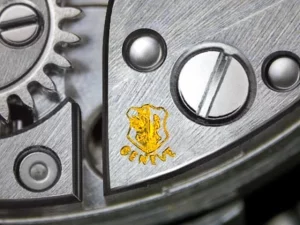
Even today, the Geneva Seal remains one of the most rigorous certification marks in the watchmaking industry, guaranteeing an impeccable level of finish.

The Saint-Gervais neighborhood

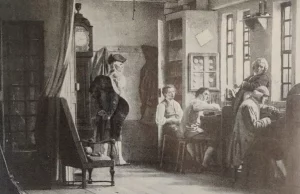
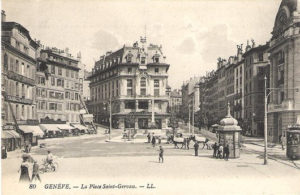
Before becoming world-renowned, the Geneva watchmaking industry flourished in the 18th century thanks to the “cabinotiers”: artisan watchmakers, jewelers, engravers, and enamelers who worked from home in small, elevated workshops bathed in natural light. The Saint-Gervais neighborhood, on the right bank between the train station and the Rhône, was the heart of this activity—Jean-Jacques Rousseau, himself a native of the neighborhood and a former watchmaker’s apprentice, spoke of it with admiration.
As you stroll through the neighborhood’s streets, particularly Rue Rousseau and Rue Chantepoulet, look up: you can still see the long rows of small windows that these artisans used to maximize the light in their workshops.

The Patek Philippe Museum

Housed in a former industrial building in the Bains district, the Patek Philippe Museum is the largest watch museum in Geneva. Spanning four floors, it offers a 500-year journey through the history of watchmaking and enamel art in Geneva, Switzerland, and Europe: antique watches, musical automata, miniature portraits on enamel, and, of course, the manufacture’s creations since its founding in 1839.
The museum is open to the public, but it is recommended to book tickets online in advance.

The Flower Clock

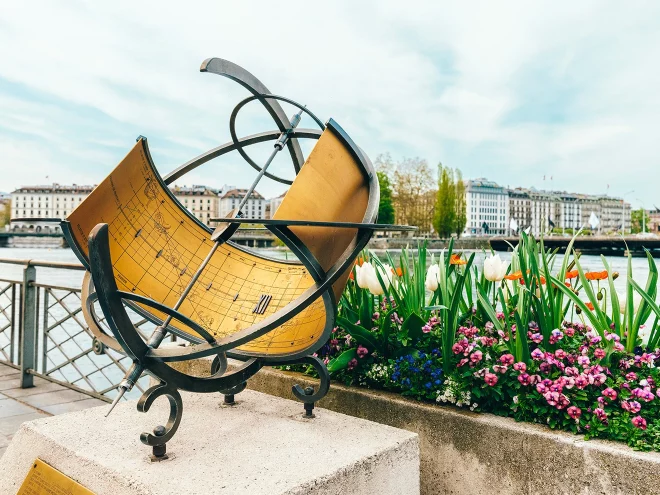
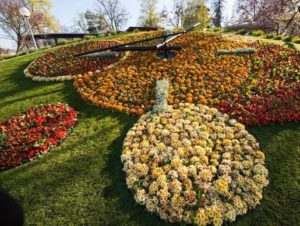
Located in the Jardin Anglais, on the lakeshore, the Horloge Fleurie is one of Geneva’s most photographed landmarks after the Jet d’Eau. Composed of approximately 6,500 flowers arranged in concentric circles that change with the seasons, it is also known for having one of the world’s longest second hands, measuring 2.5 meters. Installed in 1955, it has become a symbol of the city’s watchmaking heritage.
Open to the public free of charge, it’s a must-see stop on any stroll along the lake.

A walking tour to see it all

These different locations are perfect for a walking tour through several of the city’s iconic neighborhoods. It’s an easy way to plan your route.

Start in the Saint-Gervais neighborhood, just a stone's throw from the train station, to spot the windows of the old watchmakers' workshops. Then cross the Rhône via the Pont de la Machine, where the Fondation de la Haute Horlogerie is located.

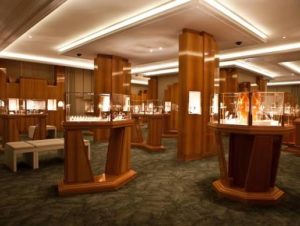
Continue on to the Quai de l’Île, then head down to the lower streets and the Old Town, renowned for their many watch boutiques—Rolex, Patek Philippe, Vacheron Constantin, Chopard, Piaget, and many others have stores there, often just a few meters apart. Whether you’re simply curious or looking to make a purchase, it’s hard to find anywhere else such a concentration of fine watchmaking within walking distance—it’s also an opportunity to spot, as you pass by a storefront, the famous Geneva Seal engraved on some of the pieces on display.

End your tour by the lake, at the Jardin Anglais, with the must-see Flower Clock—and if time permits, continue on to the Bains neighborhood to visit the Patek Philippe Museum.

Watches & Wonders Geneva

Every April, Geneva becomes the global hub of the watchmaking industry for a week during the Watches & Wonders fair. Held at Palexpo, the event brings together the leading Swiss and international watchmakers—Rolex, Patek Philippe, Vacheron Constantin, Cartier, Audemars Piguet—who unveil their latest creations there. Reserved for industry professionals at the start of the week, the latter part of the fair (usually from Saturday through Monday) is open to the general public, featuring guided tours and activities throughout the city center. It’s an excellent time to visit Geneva if you’re passionate about watchmaking.

Travel tips

Humanitarian Geneva

Geneva is inextricably linked to the history of watchmaking. Since the 16th century, the city has turned the art of timekeeping into a true art form, to the point of becoming one of the world’s capitals of fine watchmaking. Today, its museums, monuments, and iconic boutiques offer visitors the chance to immerse themselves in this unique tradition.

Here is a

2 days in Geneva

Are you coming to Geneva for the weekend and want some recommendations?
We have put together an itinerary that will allow you to visit the city's must-see attractions in two days.

Federal Palace Bern

2 days in Bern

Bern is a beautiful city, rich in history and stories. That's why it's worth planning a longer stay here.
We have put together a program for you that will allow you to discover and enjoy the most beautiful and interesting places in Bern in two days.

fassbind-hotels-logo