

Humanitarian Geneva

Geneva is renowned for its international significance. The city offers many opportunities to explore and understand this role through its museums and monuments.
Here is a list of places we recommend if you’d like to learn more about Geneva’s international role.

Red Cross and Red Crescent Museum

Red Cross Geneva

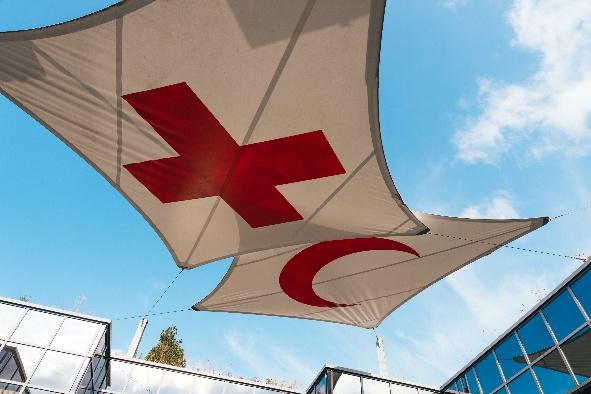
Tracing the history of the International Committee of the Red Cross (ICRC) from its beginnings to its most recent activities, this museum provides context for the history, resources, and circumstances that have enabled this organization to influence critical humanitarian issues on a global scale. It also presents the Geneva Conventions, which remain in force today in the context of armed conflicts.

The museum also features a temporary exhibition dedicated to various topics, which changes every six months.

Ideal for families, the tour is designed to be accessible and interactive, making it suitable for both children and adults.

The Palace of Nations

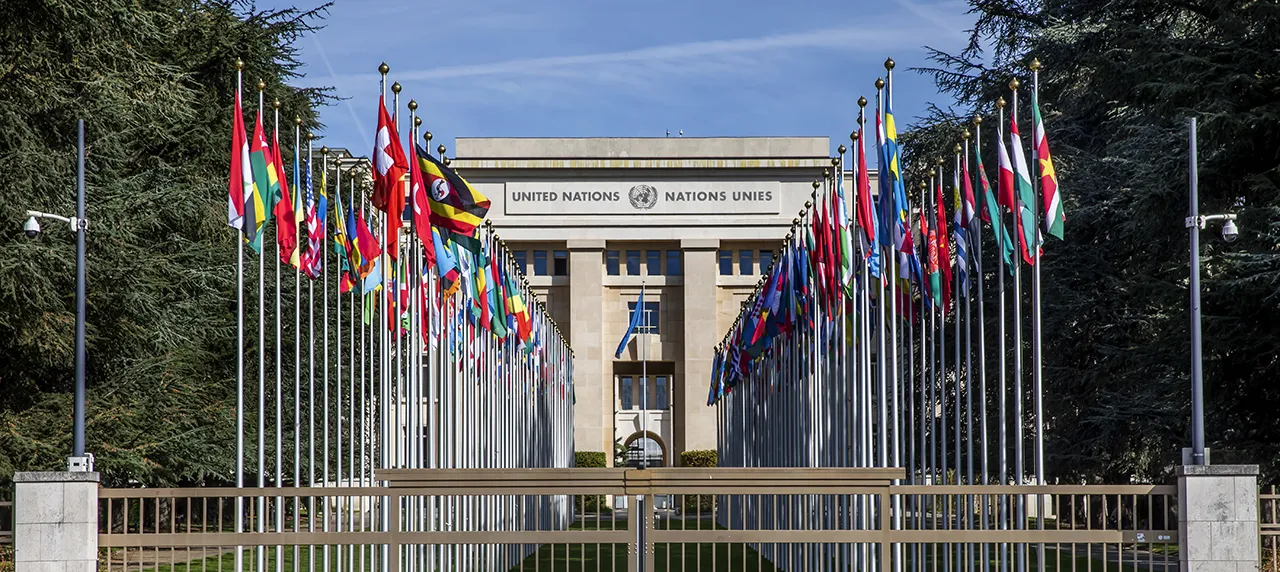
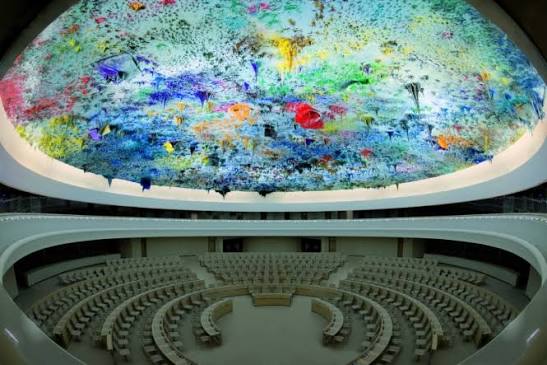
Located in Ariana Park, the Palais des Nations is the European headquarters of the United Nations and one of the largest diplomatic conference centers in the world. Construction began in the late 1920s, and in 1936 it replaced the Palais Wilson as the headquarters of the League of Nations (the predecessor of the UN).

Visitors can tour the interior of the building: guided tours are available to the public (by reservation), offering a chance to explore, among other things, the conference rooms where many international meetings are still held today.

Ariana Park

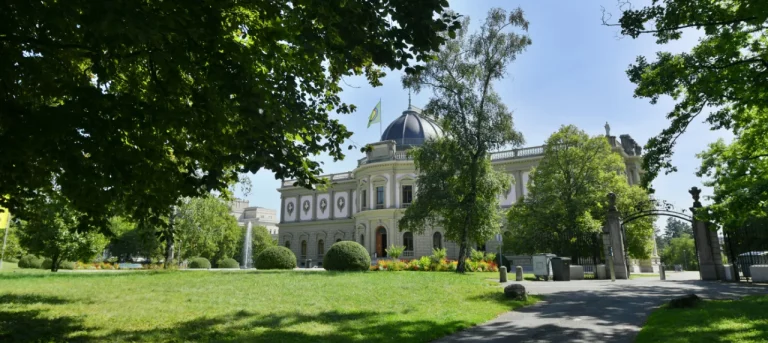
This 10-hectare park surrounding the Palais des Nations is worth a visit in its own right: it is one of Geneva’s most beautiful green spaces, offering views of the lake and the Alps, and featuring sculptures and the Villa Ariana. Open to the public free of charge, it is the ideal place to round out a visit to the Nations District with a peaceful break.

The Broken Chair

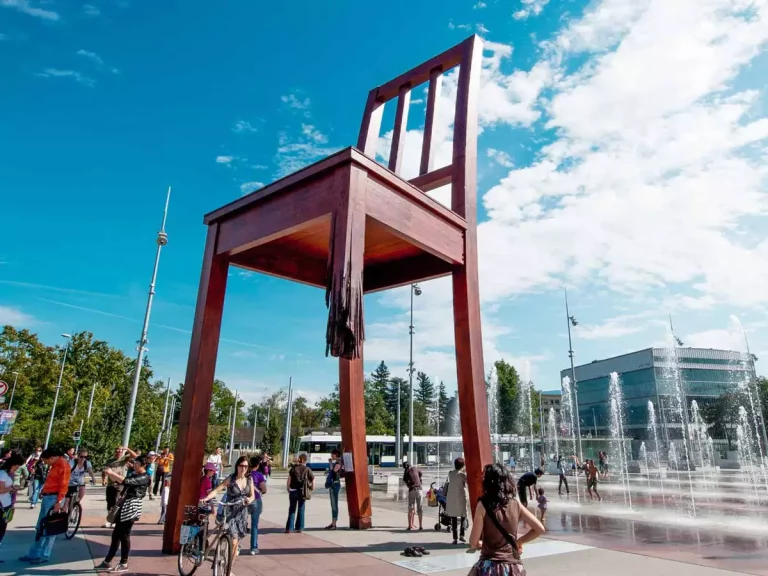
Located on the Place des Nations, right in front of the entrance to the Palais des Nations, this imposing 12-meter-tall wooden sculpture depicts a giant chair with one leg missing. Created by artist Daniel Berset and installed by Handicap International, it symbolizes the fight against antipersonnel mines and cluster munitions.

Open to the public at any time, free of charge, it is one of Geneva’s most photographed landmarks and a must-see stop before or after visiting the Palais des Nations.

The Wilson Palace

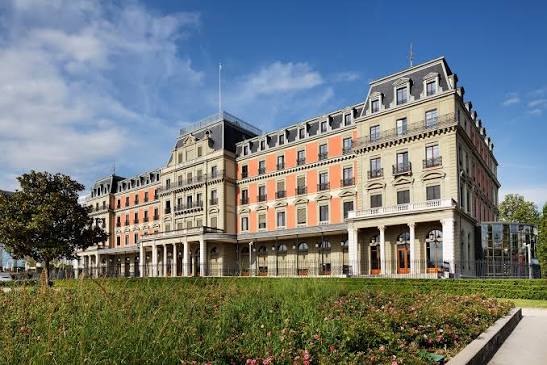
The Palais Wilson, located on the lakeshore in the Pâquis neighborhood (Quai Wilson), is where the League of Nations—the predecessor of the UN—established its very first headquarters, from 1920 to 1936, before moving to the Palais des Nations. The building, a former luxury hotel built in the 1870s, was renamed in 1924 in honor of U.S. President Woodrow Wilson, one of the key architects of the League of Nations.

Unfortunately, it is not possible to tour the interior of the building, as it currently houses the active offices of the Office of the United Nations High Commissioner for Human Rights (OHCHR).

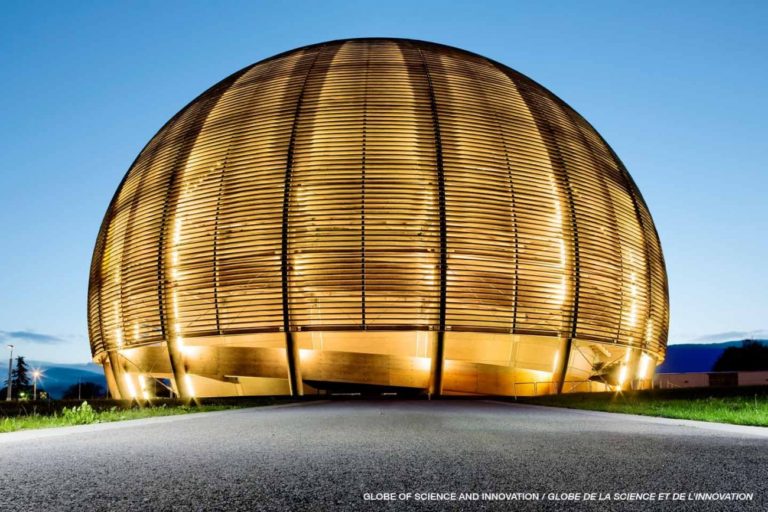
CERN

The European Organization for Nuclear Research (CERN) is not part of the humanitarian sector, but it places Geneva at the heart of contemporary physics: it is the world’s largest particle physics laboratory.

Fun fact: It wasn’t the Internet, but the World Wide Web (the “web”) that was invented at CERN by Tim Berners-Lee in 1989 to make it easier for researchers to share information.

The site is open to visitors and features exhibits on its activities as well as on the major themes of modern physics.

Travel tips

Geneva and Watchmaking

Geneva is inextricably linked to the history of watchmaking. Since the 16th century, the city has turned the art of timekeeping into a true art form, to the point of becoming one of the world’s capitals of fine watchmaking. Today, its museums, monuments, and iconic boutiques offer visitors the chance to immerse themselves in this unique tradition.

Here is a

2 days in Geneva

Are you coming to Geneva for the weekend and want some recommendations?
We have put together an itinerary that will allow you to visit the city's must-see attractions in two days.

Federal Palace Bern

2 days in Bern

Bern is a beautiful city, rich in history and stories. That's why it's worth planning a longer stay here.
We have put together a program for you that will allow you to discover and enjoy the most beautiful and interesting places in Bern in two days.

fassbind-hotels-logo